





At Everbella, we believe healing is not about perfection — it’s about protection, compassion, and consistency.
If you’re managing eczema, sensitive skin, or post-inflammatory healing, scratching can feel frustrating and defeating. But here’s the truth most people aren’t told:
Scratching does not erase healing. What matters most is what happens after.
This guide introduces Everbella’s Protective Healing Framework — an educational approach that teaches you how to calm the skin and nervous system when scratching occurs, so healing can continue without setback.
Why Scratching Happens (Even When You’re Healing)
Scratching isn’t always about dry skin. Often, it’s a nervous system reflex.
During healing, the skin is rebuilding nerve endings, barrier cells, and circulation. This can create sensations like:
- Heat
- Tingling
- Crawling or itching
- Sudden urges to scratch during transitions (waking, driving, bedtime)
These sensations are signals — not failures.
Your body is asking for regulation, not punishment. We may mistake it as a problem and react by scratching but it’s crucial to not forget where you started and the progress you’ve made.
The Everbella Protective Healing Framework
For over 25 years I’ve been consistently uncovering more and more about eczema, the triggers that haunt our progress and the powerful ways our body heals. Which is why I developed our new Skin Healing Product Collection, which is based on the journey a person experiences when the face the ups and downs of healing their skin.
Our Protective Healing Framework is a three-phase response designed to:
- Reduce inflammation
- Prevent moisture loss
- Reassure the nervous system
This approach helps prevent intense flaking, reduce the potential of discoloration, and prolonged flare cycles.

Phase 1: Pause & Protect
When the urge to scratch appears:
- Pause for 3 seconds
- Place a flat hand over the area
- Take one long exhale (longer out-breath)
- Apply cold through fabric if available
In the beginning, this was enough to interrupt the itch-scratch cycle. But I realized after so much time, it can be hard to interrupt the learned behavior.
I used to beat myself up and say “I’m weak” because it was hard for me to stop scratching when I got triggered.
However, if scratching does happen, limit the intensity and duration:
- Scratch through fabric when possible
- Use finger pads, not nails
- Stop before the skin feels hot
Scratching briefly is regulation. Prolonged scratching is dysregulation.
Phase 2: Repair Immediately (The 3-Minute Window)
The first few minutes after scratching are critical. There have been many times where I noticed that when I let the heat linger, it made me want to continue scratching. However, by cooling the skin as soon as possible, it helps interrupt the trigger and reduce the amount of inflammation that comes right after. Here are the steps to stop prevent inflammation from reaching a high peak point!
Step 1: Cool the Skin
Use a calming mist (coming soon to Everbella) to reduce heat and inflammation.
Ideal mist ingredients:
- Rose floral water or aloe-infused water
- Chamomile or calendula
- Low-percentage hyaluronic acid
Mist lightly — skin should feel relieved, not tight.
Step 2: Seal Gently
While skin is still damp, press a few drops of oil into the area. Avoid rubbing or massaging reactive skin.
Barrier-supporting oils include:
This step prevents water loss and supports barrier repair.
Phase 3: Reassure & Restore
Healing is not only physical — it’s neurological. For the longest part of my life, I always put more emphasis on the actions I took to treat my body, from working out to warm baths. But over time, especially recently, I noticed that what I say, feel, and think have a greater impact on my recovery and healing.
After scratching, speak to your body:
“This is passing. I’m still healing.”
Shame and fear increase inflammation. Reassurance reduces it.
There was a time that guilt and shame was my dominant energy, because I felt like I just couldn't stop the scratching. But I realized feeling those emotions never helped, they only intensified the following scratch session. So I promised to make myself laugh, talk aloud, and note the amount of time it took to bounce back.
Over time, these moments teach the nervous system that the body is safe — reducing future flare intensity.

What About Flaking After Scratching?
Flaking doesn’t mean damage.
It often reflects:
- Rapid skin turnover
- Release of transitional skin layers
- Barrier recalibration
The solution is not exfoliation — it’s hydration and protection.
Mist + seal 2–3 times daily and allow the skin to reorganize naturally. As I've noticed, we live in a society that loves to over exfoliate, and strip our skin barrier. This is not the time to do that! Hydration, hydration is the key!
I love seeing my skin flake because I know what's happening.
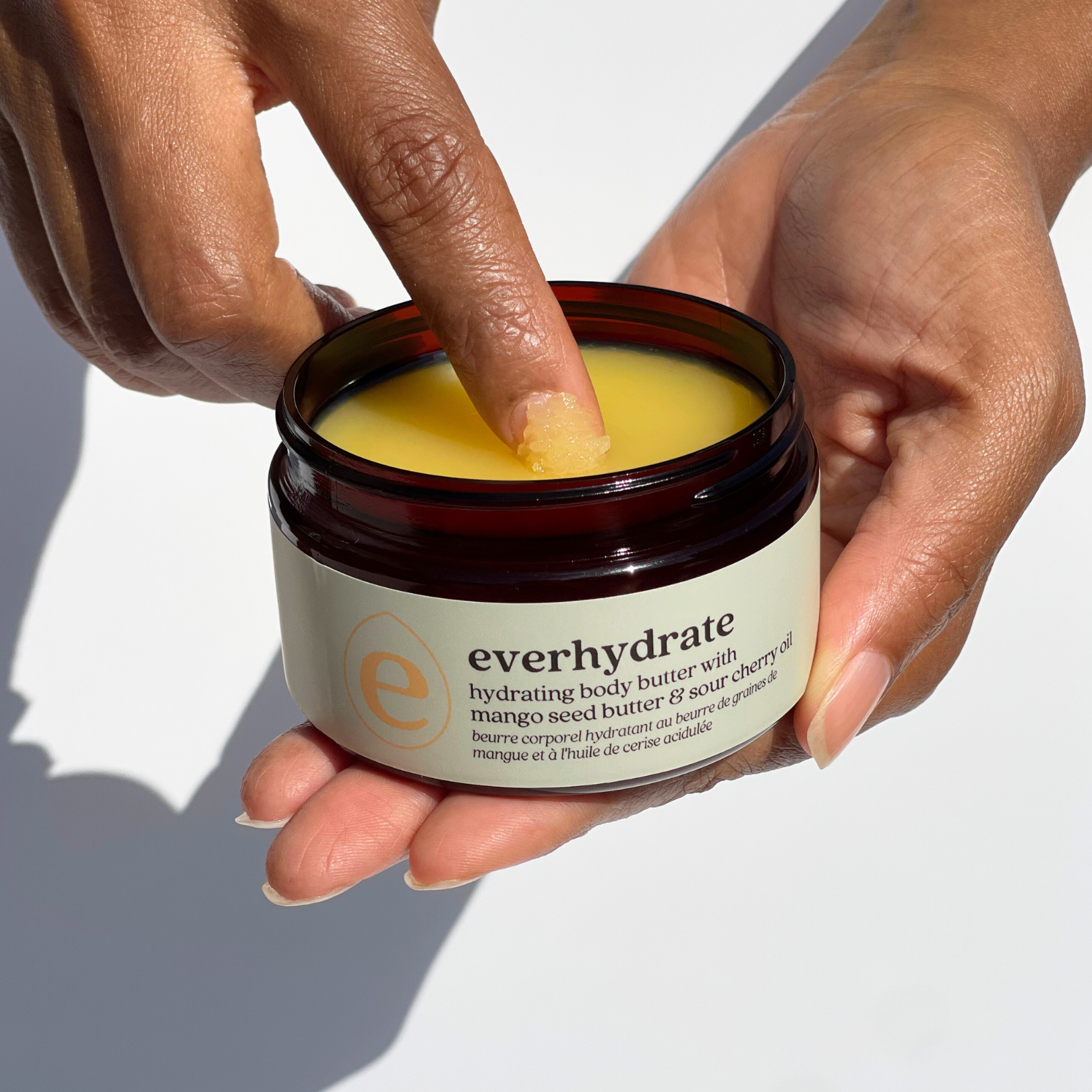
It does feel uncomfortable, but I try to distract myself from feeling into my body too much, and I ensure to apply my barrier supporting butters 2-3 times a day to prevent water loss.
Healing Is Not Linear — It’s Intelligent
Some days feel better than others. That doesn’t mean you’re going backward. I had to remind myself of this statement everyday-all day! Because our ego mind is constantly chatting and wanting to remind us of the imperfections.
Each time you:
- Stop scratching sooner
- Repair the skin quickly
- Respond with compassion
You strengthen both the skin and nervous system.
Protective Healing honours the body’s wisdom — and gives it the support it needs to continue rebuilding.
I don’t believe in harsh rules or rigid routines.
Your skin isn’t broken. It’s rebuilding.
And protection is a key part of the process.
To learn more about resetting your nervous system, building personal self-care rituals, and understanding the key nutritional supplements to support your skin healing journey. Head over to our Skin Deep Podcast for educational videos, interviews and more!

As always,
Your beauty starts with self-care.
Mekisha
Leave a comment